Vineyards, Villages, and a Slower Side of the Island
Câmara de Lobos has been a wine town since at least the 1950s, when Churchill stopped to paint the harbour view. The hillside vineyards above it are the start of a different kind of Madeira route.
Madeira wine is not a footnote to the island's history. It is central to it. The wine has been exported from Funchal since the 15th century, and at various points in history it was the economic engine of the island entirely. The Vineyard Route is built around this heritage, not in a museum sense: the vineyards above Câmara de Lobos are still producing, the estates you visit are working properties, and the tasting stop is with a producer making wine the same way for generations.
Câmara de Lobos is the first stop and the right one to begin with. The fishing harbour at the base of the village is the composition that Winston Churchill came to paint in the early 1950s. There are plaques on the harbour wall marking the exact spot. The painted boats, the fish drying on racks, the dramatic face of Cabo Girão visible to the west: the view Churchill chose is still largely intact. The village has grown, but the harbour hasn't changed.
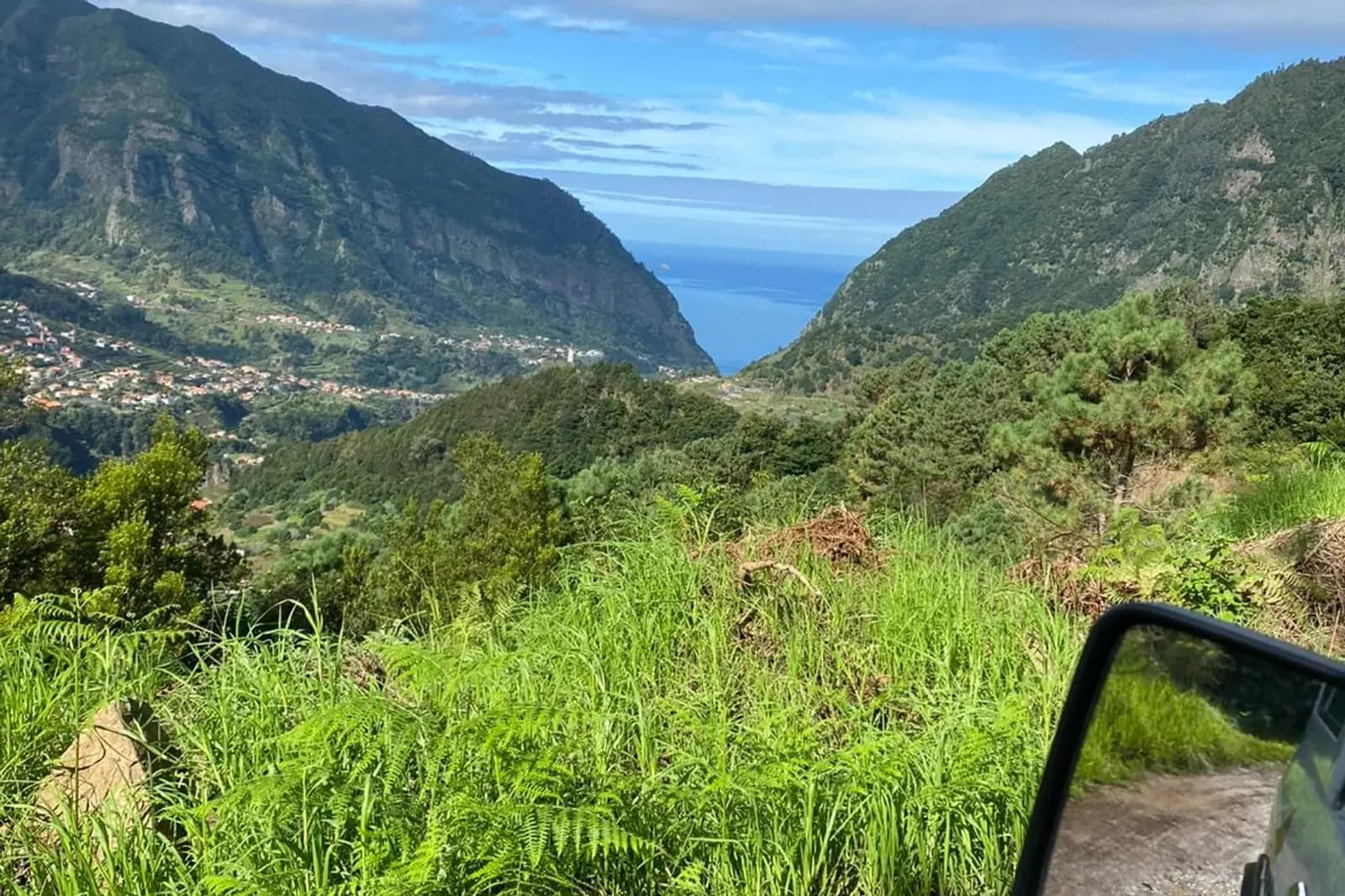
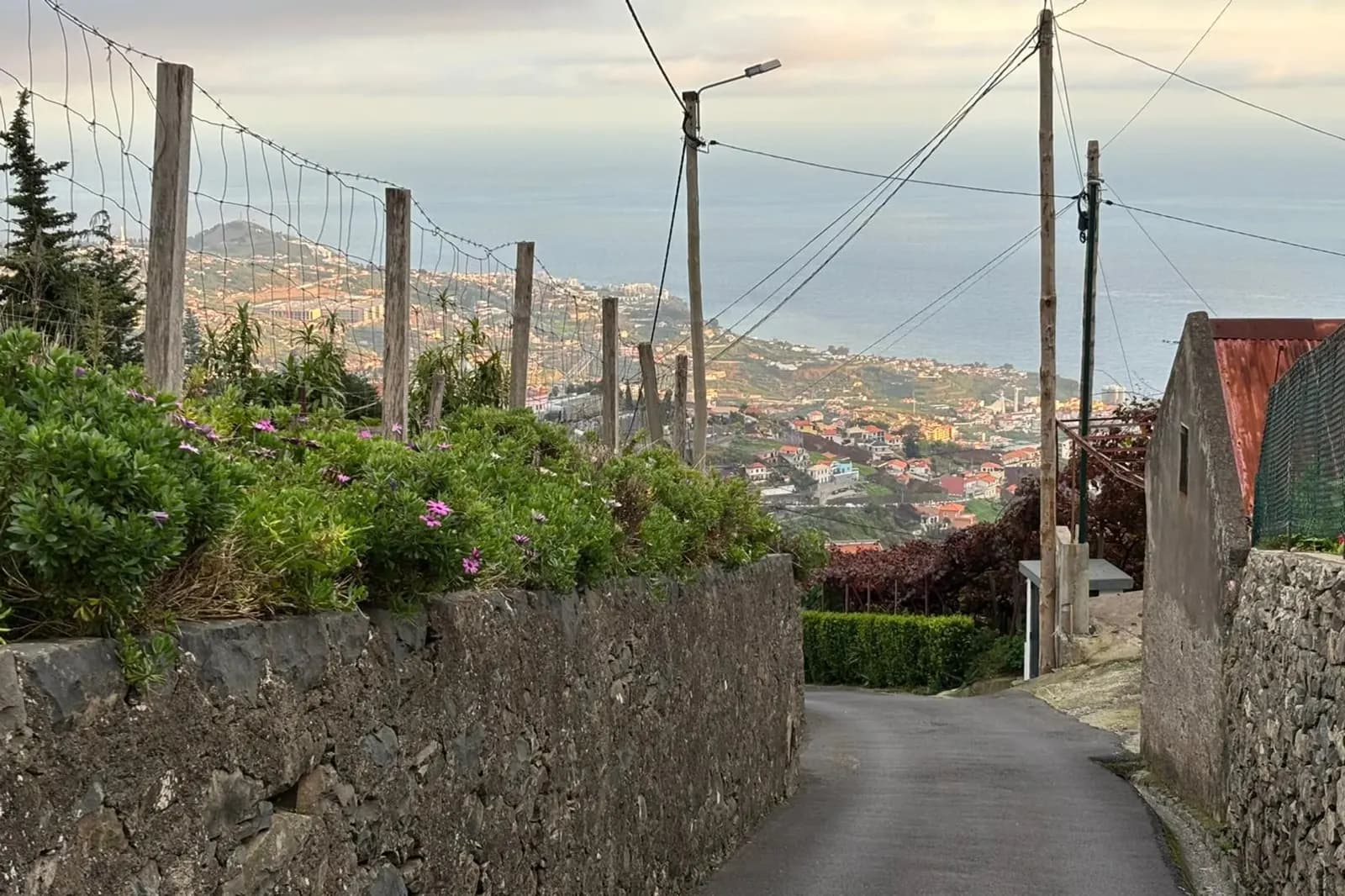
The road up from Câmara de Lobos into the vineyards follows hairpin turns that gain altitude quickly. The terraced plots climbing the hillside are among the most intensively farmed land on the island, every available flat surface claimed and planted. The grapes grown here, principally Tinta Negra, produce the wine that Madeira is known for globally. The views back down to the harbour and across to Funchal from up here make the climb worthwhile.
Estreito de Câmara de Lobos is the heart of the vineyard region, a village in the hills where the wine tradition is most concentrated. Walking the lanes here, between low stone walls and pergola-trained vines, you get a sense of how tightly the community and the land are connected. The village harvest festival in August is one of the most authentic local celebrations on the island, and the vineyard route passes through at a pace that allows stops.
Cabo Girão is one of Europe's highest sea cliffs, a vertical drop of 580 metres from a glass-floored viewing platform to the Atlantic below. The scale of it doesn't read correctly in photographs. Standing on the glass floor looking down at the sea is the one experience on the vineyard route that requires no explanation.
The wine tasting stop at a local producer is the end of the vineyard section, and it's not a sales presentation. It's a tasting in a working cellar with someone who can explain the distinction between the island's four main wine styles (Sercial, Verdelho, Bual, and Malmsey) in terms of where on the hillside the grapes were grown and at what altitude. Madeira wine is fortified, which gives it a long shelf life and a character that reflects the island's climate directly. The tasting is the most concrete way to understand why the wine and the island are inseparable.
Make it your Madeira day.
Half-Day Madeira Jeep Tour: Cabo Girão & Poncha
Half Day (4–6 hrs)
Adults €40 · Children €30

Local guides sharing routes, stories, and practical advice from Madeira.