Western Madeira Through the Windshield
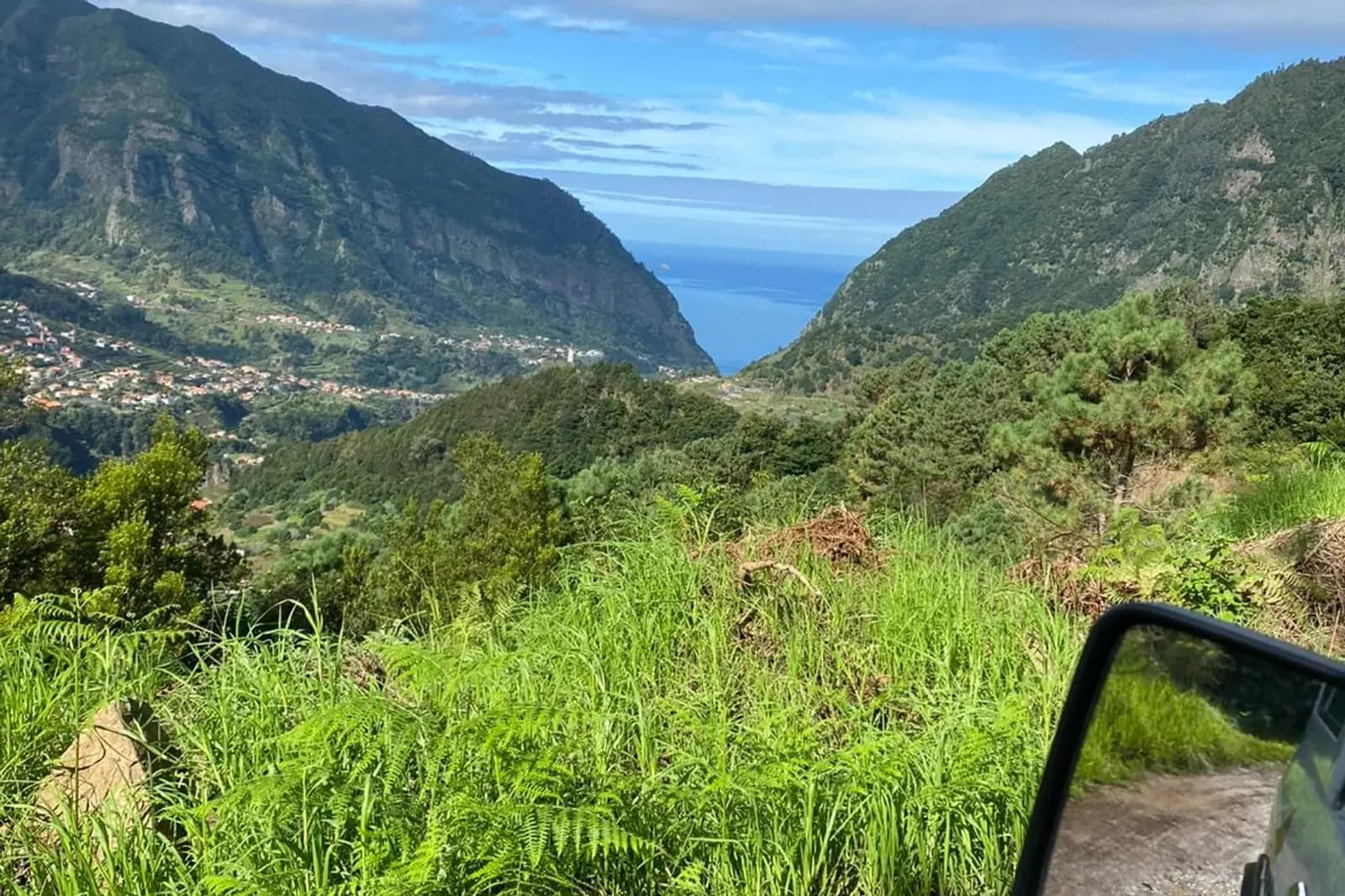
The west of Madeira is where the plateau ends and the cliffs drop straight to the Atlantic, a route that makes sense only in a 4x4.
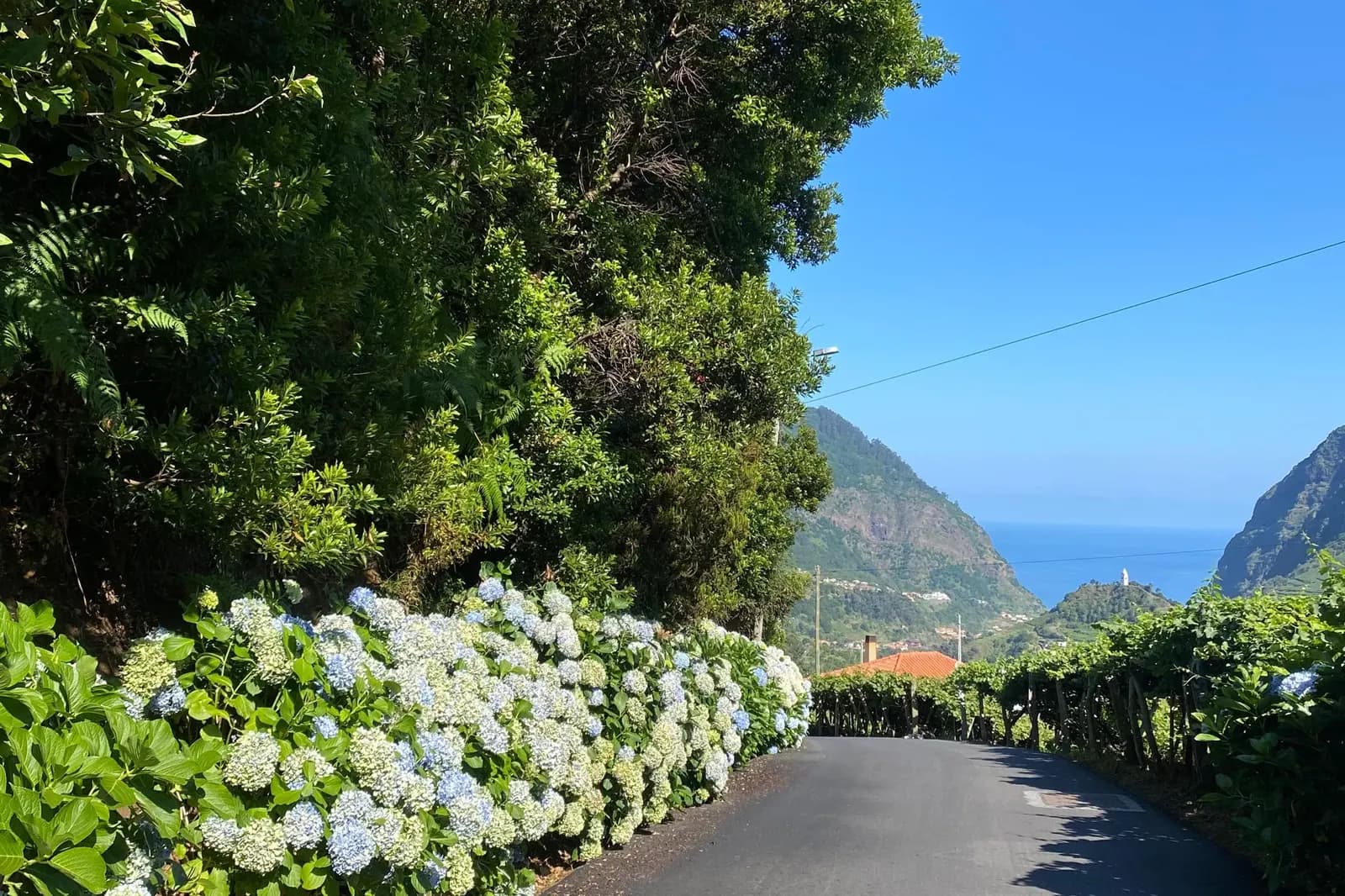
The Paul da Serra plateau is flat. That's the thing about it that surprises people. Madeira is a volcanic island of extreme verticality; everything else goes sharply up or down. The plateau at 1,400 metres is the exception: a wide, wind-swept moorland stretching across the western peaks that looks more like the Azores or the Faroe Islands than a subtropical Portuguese island. The drive across it, with open sky and the ocean visible beyond the cliff edge, is the moment most people realise the west is different.
Getting to the plateau from the south requires the Ribeira Brava climb, a sequence of switchbacks that gains altitude quickly enough to leave Funchal's heat behind within twenty minutes. The town of Ribeira Brava itself sits at the mouth of the valley and has the character of an authentic working town rather than a tourist hub: a church, a covered market, a promenade along the sea. It's a good first stop before the climb.
Porto Moniz is the destination most visitors associate with the west. The natural lava pools, volcanic rock formations at the water's edge filled with seawater and carved by centuries of Atlantic wave action, are genuinely impressive, and they're better in person than in photographs. What photos don't convey is the scale: the pools are large, the rock formations are complex, and the open Atlantic beyond them is visible from every point. The west route arrives before noon, ahead of the day visitors from Funchal.
Ribeira da Janela is a few kilometres east of Porto Moniz and worth the detour. The coastal viewpoint looks down on a series of volcanic islets rising directly from the sea: the Ilhéus da Ribeira da Janela. One of the larger ones has a natural arch worn through it by the water. Viewed from the cliff above, the scale of these formations puts the Atlantic's long work in perspective.
The drive back via the north coast road is the section that rewards patience. The road follows the sea closely through a series of small villages (São Vicente, Seixal, Porto Moniz), each with its own character. Seixal has black sand beaches at the base of basalt cliffs. São Vicente has ancient lava tube caves open to the public. The north coast is a genuinely different Madeira to the south.
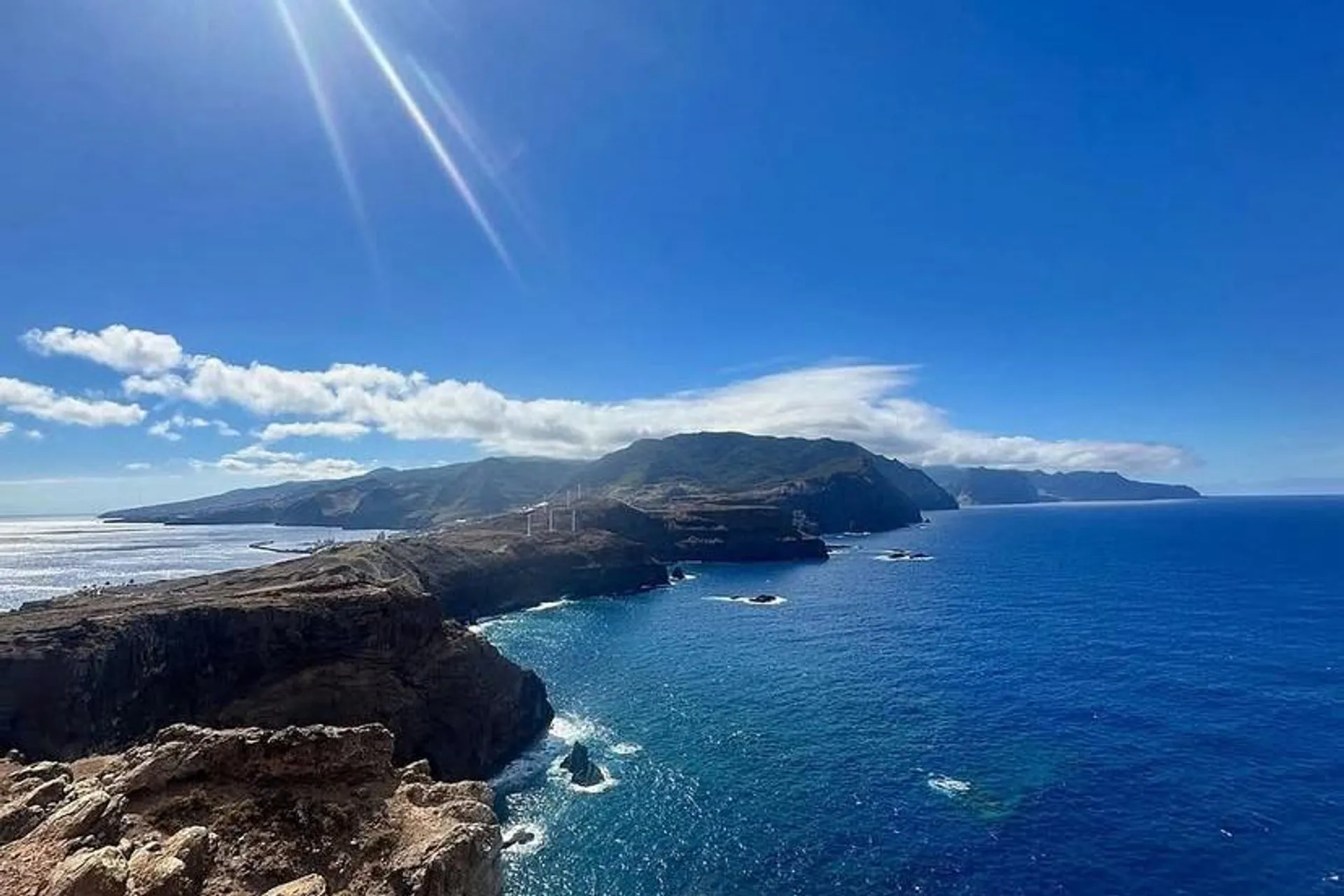
Ponta do Pargo, the westernmost point of the island, is the logical western endpoint before the route turns south. The lighthouse sits on a promontory above a significant drop to the sea, and on clear days the view is the most open Atlantic horizon available on Madeira. The drive from the plateau to this point along the island's western edge is the stretch that makes the west tour the strongest argument for using a 4x4.
A story is only the start.
Find a route that fits your stay, with a local guide to show you around.
Explore our tours
Local guides sharing routes, stories, and practical advice from Madeira.